Top Benefits of Amino Acid Surfactant for Global Buyers?
Amino acid surfactants are gaining attention in various industries, thanks to their eco-friendly properties and effective performance. Dr. Emily Johnson, a renowned expert in surfactant technology, stated, "Amino acid surfactants are a game-changer for sustainable products." This reflects the growing need for buyers to seek alternatives that are both efficient and environmentally responsible.
Historically, surfactants have been essential in the formulation of cleaning products and personal care items. Traditional surfactants often pose environmental risks. In contrast, amino acid surfactants are derived from renewable resources. They are biodegradable and have a lower toxicity profile. Such characteristics make them appealing to global buyers aiming for sustainable solutions.
Despite these benefits, some challenges exist. The cost of production can be higher compared to conventional surfactants. Furthermore, the market can sometimes lack consistent quality. Buyers must navigate these dynamics carefully. Overall, the advantages of amino acid surfactants are significant, but thoughtful consideration is essential for successful implementation in product formulations.

Overview of Amino Acid Surfactants and Their Applications
Amino acid surfactants are gaining traction in various industries. These biodegradable surfactants are derived from natural sources, offering a greener alternative to traditional surfactants. According to a report by MarketsandMarkets, the global amino acid surfactant market is projected to reach USD 4.6 billion by 2025. This growth signals increasing demand across personal care, cleaning, and agricultural sectors.
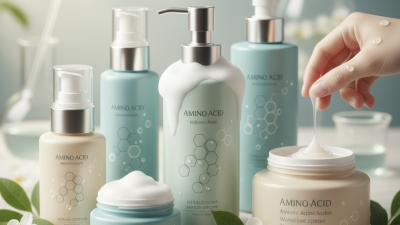
In personal care products, amino acid surfactants serve as gentle cleansing agents. They provide a mild, effective alternative for sensitive skin types. The Journal of Cosmetic Science mentions that they enhance foaming properties while being less irritating. In industrial applications, these surfactants can improve product stability and solubility. They are effective in formulations like detergents, where their conditioning properties contribute to the overall efficacy.
Yet, there are challenges in sourcing raw materials sustainably. Not all amino acid surfactants are created equal, and ensuring quality is paramount. Manufacturers must prioritize reliable suppliers who adhere to strict quality standards. This could prevent issues in product formulation and performance. While the potential for growth is substantial, navigating these complexities requires diligence and expertise.
Top Benefits of Amino Acid Surfactants for Global Buyers
Key Characteristics and Properties of Amino Acid Surfactants
Amino acid surfactants have gained attention for their unique characteristics and beneficial properties. These surfactants are derived from natural sources, primarily amino acids. Their biodegradable nature makes them environmentally friendly alternatives to traditional surfactants. According to a 2021 industry report, the global market for amino acid surfactants is expected to grow at a compound annual growth rate (CAGR) of 6% through 2026, reflecting an increasing preference for sustainable products.
One of the defining features of amino acid surfactants is their mildness. They exhibit low irritation potential, making them suitable for personal care and cosmetic formulations. A study highlighted that formulations containing these surfactants could significantly reduce skin irritation, promoting healthier product usage. Moreover, they can effectively stabilize emulsions and enhance foaming properties, which is critical in both beauty and household applications. Their ability to function as skin conditioning agents further adds to their appeal.
However, challenges remain in their production and cost competitiveness. The extraction and manufacturing processes can be complex, which might lead to higher prices compared to conventional surfactants. This complexity may deter some producers from fully embracing amino acid surfactants. Industry players must consider these factors while sourcing and developing formulations to ensure they meet consumer expectations for efficacy and affordability.
Benefits of Amino Acid Surfactants for Environmental Sustainability
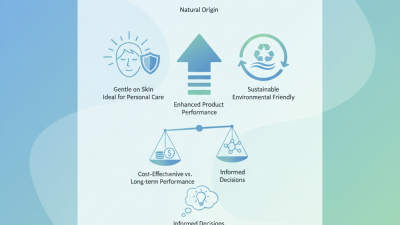
Amino acid surfactants have emerged as a sustainable choice for numerous industries. These surfactants are derived from natural sources, making them biodegradable and environmentally friendly. Unlike traditional surfactants, they break down into harmless substances when disposed of. This characteristic significantly reduces environmental impact, appealing to eco-conscious buyers.
In terms of performance, amino acid surfactants provide excellent cleansing and foaming properties. They can be effective in both cosmetic and household cleaning products. However, their effectiveness can vary based on formulation. Buyers must carefully evaluate how these surfactants will perform in different applications. This need for tailored solutions may lead to challenges in product development.
The transition to amino acid surfactants demands a shift in perspective. Many companies are still accustomed to synthetic alternatives. The education on benefits may take time, and initial costs could be a hurdle. Despite these challenges, the long-term advantages for environmental health are clear. Embracing amino acid surfactants is a step towards a greener future.
Market Trends and Demand Insights for Amino Acid Surfactants
Amino acid surfactants are gaining traction in the global market due to their sustainable and eco-friendly properties. According to a recent market research report, the amino acid surfactant market is projected to grow at a compound annual growth rate (CAGR) of 6.2% from 2023 to 2030. This growth is fueled by increasing consumer awareness regarding environmental issues and a shift towards biodegradable products.
Demand for amino acid surfactants is particularly strong in the personal care and household cleaning segments. These surfactants offer effective cleansing properties while being gentle on the skin. The increasing trend towards 'clean beauty' is driving significant interest among formulators. Retail sales in this domain have surged, revealing that 70% of consumers prefer products with naturally derived ingredients.
However, challenges remain. The sourcing of raw materials can be inconsistent, impacting production stability. Furthermore, price fluctuations of bio-based ingredients may affect overall cost structures. Manufacturers must continually innovate to enhance performance without compromising sustainability. It is essential to address these hurdles while meeting broader market demands. Successful strategies will likely involve enhanced collaboration with suppliers and ongoing product testing to establish efficacy.
How to Select the Right Amino Acid Surfactant for Your Needs
When selecting the right amino acid surfactant, it is crucial to consider various factors. Start by assessing the application area. Different industries, such as cosmetics, personal care, and household cleaning, may require specific properties from surfactants. Knowledge of your formulation's pH level is essential. Amino acid surfactants often showcase excellent stability across a wide pH range.
Next, evaluate the surfactant's biodegradability and skin compatibility. Many buyers appreciate products that are eco-friendly and gentle on the skin. It is worth noting that while amino acid surfactants are generally well-tolerated, sensitivity can vary among individuals. Testing is advisable to ensure compatibility with your target audience.
Also, pay attention to the sourcing and production methods. Reliable suppliers typically provide detailed information about their manufacturing processes. This can reflect the quality and safety of the surfactants. Consider asking for samples. They can help you assess performance in actual formulations. Reflect on your priorities, as what works for one product may not suit another. This process can be challenging, but thorough research will enhance your decision-making.