What is Non-Ionic Surfactant Benefits and Applications?
Non-Ionic Surfactants are gaining prominence in various industrial applications due to their unique properties. Unlike ionic surfactants, they do not carry an electrical charge, making them less sensitive to water hardness. According to a report by MarketsandMarkets, the global surfactants market was valued at approximately $40 billion in 2020, with non-ionic surfactants accounting for a significant share due to their mildness and effectiveness in different formulations.
The versatility of Non-Ionic Surfactants makes them suitable for applications in personal care, agriculture, and cleaning products. They enhance the solubility of compounds and improve emulsion stability, which is vital in many formulations. However, the use of these surfactants is not without challenges. There are concerns regarding their environmental impact and biodegradability. A report by the Organisation for Economic Co-operation and Development (OECD) emphasizes the need for more studies on environmental sustainability.
Industry experts suggest that while Non-Ionic Surfactants are effective, their impact on ecosystems should not be overlooked. Continuous research and the development of more biodegradable options are crucial. As demand grows, balancing efficacy and environmental responsibility will define the future of Non-Ionic Surfactants in the market.
Benefits of Non-Ionic Surfactants in Various Industries
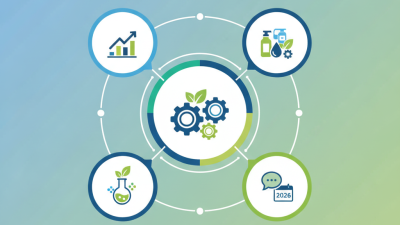
Non-ionic surfactants offer diverse benefits across various industries, making them crucial for many applications. They are known for their excellent wetting, emulsifying, and detergency properties. In agriculture, non-ionic surfactants improve the effectiveness of pesticides, enhancing their spread and adherence to plant surfaces. According to a recent market report, the agricultural surfactant market is projected to grow at a CAGR of 6.5% from 2021 to 2026, reflecting their rising usage in precision farming.
In the personal care sector, non-ionic surfactants serve as gentle cleansers and emulsifiers. Their mild nature makes them suitable for formulating skincare products, as they are less likely to irritate sensitive skin. A report by Grand View Research indicated that the global personal care surfactant market would reach USD 10.45 billion by 2025, driven significantly by non-ionic variants.
Tip: When choosing surfactants for applications, consider the environment. Non-ionic surfactants are generally biodegradable, making them a safer choice for eco-friendly formulations.
Many industries still struggle with the effectiveness and scalability of non-ionic surfactants. It is essential to conduct thorough tests to ascertain their performance in different conditions. This trial and error can lead to unexpected challenges, but the benefits often outweigh the drawbacks, emphasizing the need for a thoughtful approach.
Common Applications of Non-Ionic Surfactants in Cleaning Products
Non-ionic surfactants are increasingly used in cleaning products due to their unique properties. They are effective at various temperatures and pH levels, providing versatility for formulation.
According to a recent market report, the global non-ionic surfactant market is expected to grow at a CAGR of 4.5% up to 2027, highlighting their rising importance in various applications.
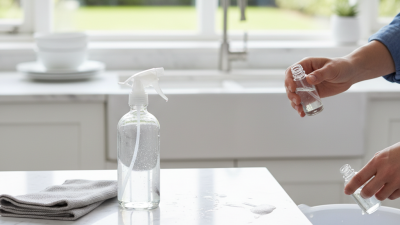
In household cleaning products, non-ionic surfactants play a key role in enhancing performance. They are often employed in laundry detergents, dishwashing liquids, and all-purpose cleaners. Their ability to lower surface tension allows oils and grease to mix with water, facilitating effective cleaning.
About 30% of all surfactants used in cleaning formulations are non-ionic, demonstrating their widespread acceptance in the industry.
One challenge is that not all cleaning products formulated with non-ionic surfactants meet consumer expectations for sustainability. Some products may still contribute to environmental concerns.
Companies need to continue innovating to reduce negative impacts while maintaining effectiveness. The balance between performance and environmental stewardship remains crucial for consumers and manufacturers alike.
Role of Non-Ionic Surfactants in Agriculture and Biotechnology
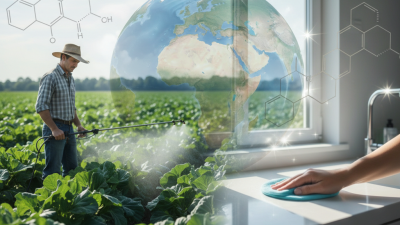
Non-ionic surfactants play a vital role in agriculture and biotechnology. They help in the formulation of pesticides and fertilizers. These surfactants improve the effectiveness of these products by reducing surface tension, allowing for better spreading and penetration.
In the agricultural field, non-ionic surfactants enhance the uptake of nutrients. They help plants absorb water and essential compounds. This can lead to healthier crops and improved yields. However, not all surfactants are suitable for every application. It is essential to assess their compatibility with specific products.
In biotechnology, these surfactants assist in various processes. They can be used to stabilize emulsions or enhance the solubility of compounds. Their gentle nature makes them ideal for sensitive biological systems. Yet, researchers must carefully evaluate their impact on living organisms.
Striking the right balance is crucial for success.
Comparative Analysis of Non-Ionic vs. Ionic Surfactants
When comparing non-ionic and ionic surfactants, the differences are notable. Non-ionic surfactants possess a neutral charge, making them less sensitive to electrolyte concentrations. This characteristic enhances their performance in diverse applications. According to a 2022 market report, non-ionic surfactants account for over 40% of the surfactant market. Their versatility makes them preferred in formulations for household cleaning products and cosmetics.
Non-ionic surfactants generally exhibit lower toxicity compared to ionic types. This trait makes them suitable for applications where human safety is a priority. A recent study highlighted that non-ionic surfactants can reduce skin irritation when used in personal care products. However, their effectiveness can diminish in highly alkaline or acidic environments. Hence, it’s crucial to evaluate their compatibility with other ingredients.
Tips: Always test small quantities of formulations. Check for stability under different conditions. Keep in mind that non-ionic surfactants may not foam as much as their ionic counterparts, which can affect user perception. Careful consideration of their application context is essential for optimal performance.
What is Non-Ionic Surfactant Benefits and Applications? - Comparative Analysis of Non-Ionic vs. Ionic Surfactants
| Feature |
Non-Ionic Surfactants |
Ionic Surfactants |
| Surface Tension Reduction |
Effective at lower concentrations. |
Higher concentrations often needed. |
| Foaming Ability |
Low to moderate foaming. |
High foaming ability. |
| Compatibility |
Compatible with various formulations. |
Limited compatibility with certain agents. |
| Environmental Impact |
Generally biodegradable and less harmful. |
Potentially more toxic and less biodegradable. |
| Applications |
Widely used in cosmetics, cleaners, and agriculture. |
Commonly found in detergents and industrial products. |
| Ionic Strength Sensitivity |
Not sensitive to ionic strength. |
Performance can be affected by ionic strength. |
Environmental Impact and Safety Considerations for Non-Ionic Surfactants
Non-ionic surfactants offer various benefits across industries. They are often deemed environmentally friendly. However, certain safety considerations must be addressed. Their biodegradable nature reduces environmental risks compared to ionic alternatives. Still, their breakdown products can sometimes be toxic to aquatic life. This potential hazard necessitates careful usage and responsible disposal.
The safety profile of non-ionic surfactants is generally positive. They are less irritating to skin and eyes than many ionic surfactants. Nevertheless, this does not mean they are entirely safe. Usage in cleaning products can lead to residues that may accumulate in water bodies. Awareness of their environmental impact is crucial. Manufacturers should prioritize sustainable sourcing and production methods.
Despite their advantages, challenges remain. Some non-ionic surfactants can be derived from petroleum, which raises sustainability concerns. Exploring plant-based alternatives could mitigate this issue. Furthermore, consumer education is vital. Users must understand proper handling and disposal techniques. Engaging in responsible practices helps minimize potential harm to ecosystems. Prompt action can lead to a more sustainable future for all.