Top 5 Tips for Choosing Nonionic Surfactants for Your Needs
Choosing the right Nonionic Surfactant is crucial for various applications. These surfactants play a significant role in industries ranging from agriculture to household products. They can enhance cleaning power, improve product stability, and ensure the right balance of performance and safety.
Understanding your specific needs is vital. Nonionic Surfactants are versatile, but not all are suitable for every application. The selection process can be overwhelming. Many factors influence effectiveness, including compatibility, concentration, and environmental impact. Manufacturers often highlight ideal products, but real-world performance can vary.
Take time to evaluate your options. Gather feedback from reliable sources and experts. Look for products backed by research and testimonials. A trusted Nonionic Surfactant can make a substantial difference, but it must meet your criteria. Balancing functionality with safety will lead to better outcomes. Careful selection is a step toward achieving your goals efficiently.
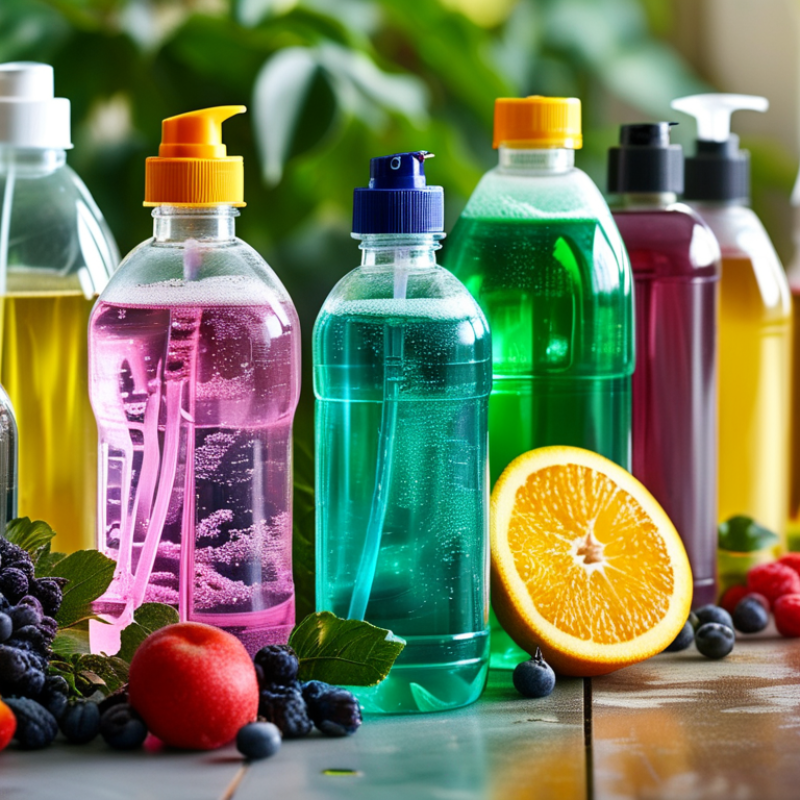
Understanding Nonionic Surfactants: Definition and Properties
Nonionic surfactants are crucial in various industries. They help reduce surface tension, improving the spread of liquids. Defined by their lack of electrical charge, these surfactants are often milder and less irritating than their ionic counterparts. This makes them suitable for applications like household cleaners and personal care products.
The properties of nonionic surfactants vary. Some excel in wetting, while others are better at emulsifying. This variability allows users to select the right surfactant for their specific needs. However, understanding the right choice can be challenging. Often, an incorrect surfactant may lead to inefficient formulations or undesired outcomes.
Testing different formulations can reveal which nonionic surfactants perform best in your situation. It's essential to consider factors such as the application environment and overall product goals.
A reflection on past choices is vital. Many users have experienced frustration when the chosen surfactants did not meet expectations. It’s an opportunity to learn more about the essential properties of these substances. Engaging with reliable sources or experts in surfactant chemistry can also provide deeper insights and help refine your choices over time.
Identifying Your Application Needs: Key Factors to Consider
When selecting nonionic surfactants, understanding your specific application is crucial. Factors such as solubility, HLB (Hydrophilic-Lipophilic Balance), and environmental impact play significant roles. Research indicates that nearly 80% of formulation failures are due to improper surfactant selection. Therefore, a thorough analysis of your needs is essential before making a decision.
Consider the solubility type required for your application. Nonionic surfactants often work well in various pH levels and temperatures. This versatility is beneficial in industries ranging from agriculture to pharmaceuticals. However, one must be cautious: not all nonionic surfactants behave the same. For instance, the HLB value helps determine their effectiveness in emulsification or solubilization tasks.
Environmental sustainability is another critical consideration. According to a 2021 report, over 60% of consumers express preference for eco-friendly products. This trend pushes manufacturers to choose surfactants with minimal ecological footprints. Engaging with suppliers about biodegradability and toxicity can lead to better choices. Misjudging the importance of these factors can result in production delays or regulatory issues. Balancing performance with environmental responsibility is a complex, yet necessary endeavor in today’s market.
Top 5 Factors to Consider When Choosing Nonionic Surfactants
Evaluating Performance Metrics: Effectiveness and Compatibility
When selecting nonionic surfactants, it's crucial to look closely at their performance metrics.
Effectiveness is one of the key factors. This refers to how well the surfactant reduces surface tension and stabilizes emulsions.
A surfactant's ability to enhance wetting and spreading can be noticeable in practical applications, such as cleaning formulations or agricultural products.
Testing a variety of concentrations can reveal which formulation performs best.
Compatibility with other ingredients is equally important. Some nonionic surfactants may not mix well with certain anionic or cationic substances.
This can lead to unexpected results, such as decreased effectiveness or product separation.
Conducting compatibility tests can save time and resources in product development.
Reflecting on previous formulations can also guide decisions.
Take into account the environmental impact as well. While many nonionic surfactants are considered safer than others,
it's wise to evaluate their biodegradability. Choices made today can affect sustainability.
A more thoughtful approach can lead to better outcomes for both products and the environment.
Consider seeking out industry knowledge to inform your choices further.
Assessing Environmental Impact: Safety and Biodegradability
In recent years, the demand for environmentally friendly nonionic surfactants has surged. As industries seek to reduce their ecological footprint, assessing the environmental impact of these products has never been more crucial. A report by the American Chemical Society states that approximately 30% of surfactants currently in use are non-biodegradable. This statistic highlights the importance of selecting surfactants that not only serve their intended purpose but also comply with sustainability standards.
Biodegradability is a critical factor in surfactant selection. A widely cited study from the Environmental Protection Agency indicates that nonionic surfactants can vary significantly in their biodegradation rates. For example, surfactants with a higher degree of ethoxylation may resist degradation, potentially harming aquatic ecosystems. When evaluating surfactants, it is imperative to look for those that show quick biodegradation, ideally within a 28-day period, to minimize environmental harm.
Safety is another vital consideration. The Green Chemistry Institute emphasizes the need for thorough safety assessments. Nonionic surfactants can be less toxic than ionic surfactants, but not all are created equal. Many formulations may still pose risks to human health and the environment. As you navigate the selection process, scrutinizing safety data sheets and relying on peer-reviewed studies can help ensure you make informed decisions for sustainability.
Comparing Cost and Availability: Budgeting for Your Surfactant Choice
When selecting nonionic surfactants for specific applications, understanding the cost and availability is crucial. Recent industry reports suggest that nonionic surfactants account for approximately 30% of the global surfactant market. This significant share is driven by their versatility in various formulations, including household and industrial products. However, prices can vary widely based on sourcing and purity. For example, high-purity surfactants can be up to 50% more expensive than standard grades.
Budgeting effectively requires more than just comparing initial costs. Shipping, storage, and handling can add to overall expenses. According to market analysis, logistics often account for 20% of total surfactant costs. Understanding regional availability is essential. Surfactants sourced closer to manufacturing locations can reduce transportation costs significantly.
Moreover, consider the scalability of your surfactant choice. A cheaper option now may lead to higher long-term costs if it doesn't perform as expected. Some reports indicate that performance issues can increase operational costs by up to 30%. Balancing cost with anticipated performance is essential for a sustainable choice. It’s important to evaluate the complete lifecycle of surfactants and their relevance to your specific needs.