Xanthan Gum Bulk Buying Tips for Global Importers
Xanthan gum has become a pivotal ingredient in various industries, including food, pharmaceuticals, and cosmetics. Recent market reports indicate a significant demand growth, predicting a CAGR of 7.9% over the next five years. This surge emphasizes the necessity for reliable Xanthan Gum Bulk sourcing strategies.
According to Dr. Emily Rowan, a leading expert in food additives, "Understanding trade dynamics is vital for effective bulk purchasing." Her insights reflect the complexities involved in international sourcing. Importers must navigate varying quality standards and pricing fluctuations in the global market.
Effective bulk buying of Xanthan Gum requires a keen understanding of supplier reliability and certification standards. Some suppliers may offer lower prices but compromise on quality. The challenge for importers lies in balancing cost-effectiveness with product integrity. Each decision can significantly impact the final product quality. Establishing long-term partnerships with reputable suppliers can lead to lasting benefits.
Understanding Xanthan Gum: Properties and Uses
Xanthan gum is a popular thickening agent used widely in food production, pharmaceuticals, and cosmetics. Its unique ability to stabilize emulsions and maintain viscosity makes it essential in many formulations. Importers must know its properties to harness its full potential in various applications.
When purchasing xanthan gum, consider the source. Quality varies significantly across suppliers. Research suppliers diligently to ensure they meet safety and quality standards. Pay attention to product specifications, as different grades serve distinct purposes. Low-viscosity xanthan gum might be suitable for beverages, while higher viscosities are ideal for sauces.
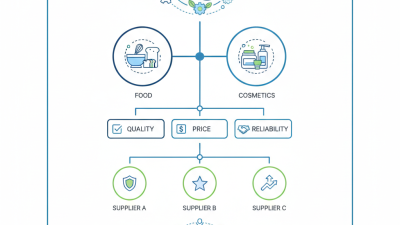
Understanding how xanthan gum interacts with other ingredients can enhance product quality. Conduct small-scale tests before large production runs. This helps identify the optimal concentration for your specific needs. Explore different methods of incorporation. Mixing techniques affect texture and performance. Consider creating a checklist for evaluating potential suppliers, focusing on quality, pricing, and customer service.
Key Considerations for Importing Xanthan Gum in Bulk
When importing xanthan gum in bulk, several key considerations emerge. Understanding the quality of the product is crucial. Different grades of xanthan gum exist, making it vital to assess the specifications based on intended use. Food applications may require a food-grade certification, while industrial uses might not. Neglecting these details can lead to expensive mistakes.
Pricing is another critical factor. Bulk purchasing often promises savings, but terms can vary significantly between suppliers. It's valuable to get multiple quotes and review them closely. Look for hidden costs in shipping and handling. These charges can quickly inflate the final cost, erasing the benefits of bulk buying.
Regular communication with suppliers ensures clarity throughout the purchasing process. They should be able to provide detailed product information and shipping timelines. Having a reliable source fosters a smoother import experience. However, some suppliers may have unclear policies. Be prepared for potential delays or miscommunications, which can impact operations. It's essential to remain adaptable and open to reassessing supplier relationships when issues arise.
Evaluating Suppliers: Quality, Certification, and Pricing
When evaluating suppliers for xanthan gum, focus on several key criteria. Quality is paramount. Ensure the product meets strict industry standards. Request samples to assess texture and consistency. Reliable suppliers often provide batch testing results. Every shipment should maintain high quality.
Certification is essential. Check for relevant certifications that demonstrate compliance with safety and quality standards. ISO certifications and food safety registrations are indicators of a trustworthy supplier. These certifications bring peace of mind to importers and assure product integrity.
Pricing is another critical factor. While competitive pricing is attractive, don’t compromise on quality. Review the quotes carefully, including hidden costs. Sometimes, a lower price means lower quality. Consistent quality can save costs long-term. Importers also need to keep an eye on market trends and adjust their buying strategies accordingly.
Logistics and Shipping Solutions for Global Importers
When importing xanthan gum, logistics play a crucial role. Your shipping plan must be detailed and adaptable. Understanding international shipping regulations can save time and money. Importers face challenges like customs clearance and inspections. Ensure you have all documentation ready to avoid delays.
Communication with your logistics provider is essential. Discuss timelines and delivery methods. Choose between air and sea freight based on urgency and budget. Sometimes, sea freight may seem slower, but it is often more economical for bulk purchases. Keep in mind that unexpected delays can occur, so it's wise to plan for the unforeseen.
Effective storage solutions are important once the xanthan gum arrives. Consider humidity control measures to maintain product quality. Ensure your storage facility meets safety standards to avoid contamination. Always review suppliers and transport partners for reliability. These steps can greatly minimize your risks and improve your overall import experience.
Regulatory Compliance and Documentation for Xanthan Gum Imports
When importing xanthan gum, regulatory compliance is crucial. Importers must navigate various international regulations and standards. According to the International Food Additives Database, xanthan gum is classified as a food additive across many regions. This classification leads to specific documentation requirements for importers.
One key aspect of compliance involves obtaining safety data sheets (SDS). These documents provide crucial information about handling and potential risks associated with xanthan gum. Additionally, a Certificate of Analysis (COA) is essential. The COA, issued by manufacturers, confirms that the imported xanthan gum meets safety and quality standards.
Importers also face challenges with customs processes. Knowledge of local regulations in the destination country is vital. For instance, the Food and Drug Administration (FDA) in the United States enforces strict guidelines. Failing to meet these guidelines can lead to delays and financial losses. It’s beneficial to stay informed about any changing regulations or standards that may affect xanthan gum imports. Moreover, connecting with industry experts and consulting reports from credible sources, such as food safety organizations, can provide ongoing support.
Xanthan Gum Import Volume by Country
This chart illustrates the import volumes of Xanthan Gum in metric tons for various countries, highlighting key markets for global importers.