Leave Your Message

What Is Anionic Surfactant and What Is It Used For?

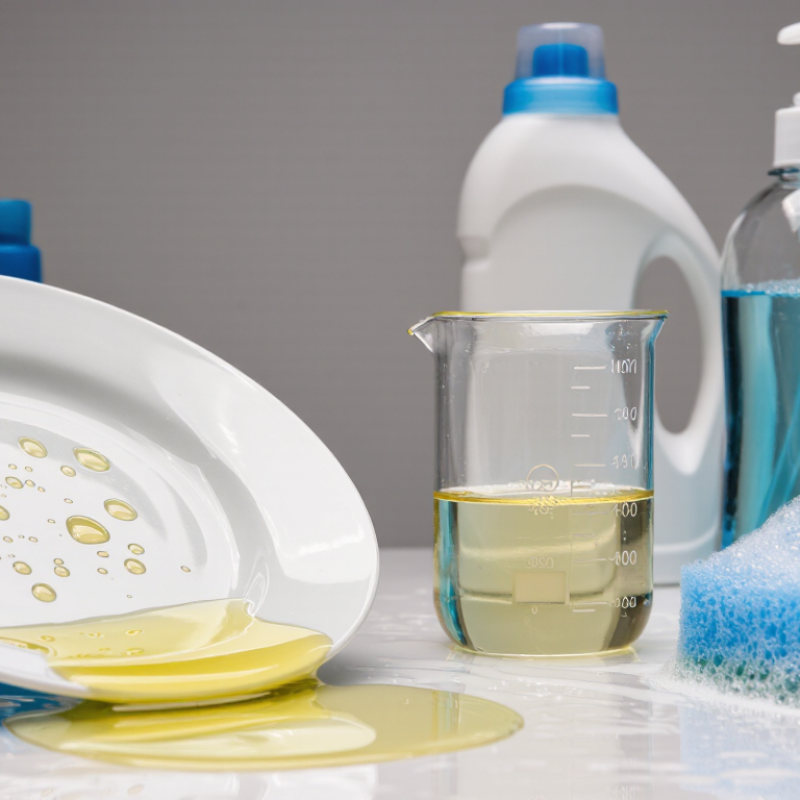
Anionic Surfactant is a surface-active ingredient that carries a negative electrical charge in water. This charge helps it interact with oily soil and water at the same time. In practical terms, it can help lift grease from a plate or loosen dirt from fabric during washing. The exact behavior depends on the specific ingredient, its concentration, and the surrounding formula. Not every anionic surfactant works in the same way.

You may find these ingredients in laundry detergents, dishwashing liquids, shampoos, and some household cleaners. Common examples include sodium lauryl sulfate and linear alkylbenzene sulfonates, though their properties and typical uses differ. In a sink, a suitable formula can help disperse cooking oil so it rinses away more easily. In a shampoo, the ingredient may contribute to cleansing and foam. Foam can be noticeable, but more bubbles do not automatically mean better cleaning. That distinction is easy to overlook.

Understanding the label matters. Product performance can change with water hardness, temperature, and other ingredients. Skin response also varies, and some formulas may feel drying or irritating to certain users. Concentration and intended use matter. Follow the product directions, and avoid assuming that ingredients behave identically across brands. Even familiar names deserve a closer look. This guide explains how anionic surfactants work, where they are commonly used, and what their benefits and limitations can mean in everyday products.
What Is Anionic Surfactant and What Is It Used For?

What Defines an Anionic Surfactant? Negatively Charged Headgroups and Main Classes

An anionic surfactant carries a negatively charged, water-loving headgroup and an oil-attracting tail. In water, the molecule can loosen oily soil and help keep removed particles dispersed. Its headgroup chemistry defines its main classes: sulfates, such as alkyl sulfates; sulfonates, including alkylbenzene sulfonates and alpha-olefin sulfonates; and carboxylates, which include soaps. Phosphate esters are another class. These groups do not perform identically. Salt level, water hardness, and formulation can change cleaning and foam.

The market reflects their broad use. Grand View Research’s 2023 surfactants market assessment estimated that anionic surfactants accounted for about 44% of global market revenue. Market estimates vary by scope, so treat that figure as an indicator, not a fixed measure. In a sink, anionic surfactants often help lift greasy residue; in laundry, they can help suspend soil during washing. The category label alone can mislead. Performance depends on the whole formula.

Tips: Check the ingredient’s specific class and the water conditions before comparing products. Hard water can reduce soap performance. Small details matter.

What Is Anionic Surfactant and What Is It Used For? — Negatively Charged Headgroups and Main Classes

Main Class What Defines It Common Examples Typical Uses Useful Characteristics and Considerations
Soaps (fatty acid salts) A fatty-acid carboxylate headgroup carries a negative charge in water; the hydrophobic portion is a long hydrocarbon chain. Sodium or potassium salts of fatty acids, such as salts derived from lauric, palmitic, or oleic acid. Hand and body cleansing products, household cleaning, and some industrial formulations. Can produce effective cleansing and lather in soft water. Calcium and magnesium ions in hard water can form poorly soluble deposits, reducing lather and cleaning performance.
Alkyl sulfates Contain a negatively charged sulfate ester headgroup attached to an alkyl chain. Sodium lauryl sulfate (SLS); ammonium lauryl sulfate (ALS). Shampoos, body cleansers, toothpaste, and some household or industrial cleaners. Often provide strong detergency and abundant foam. Mildness depends on the complete formulation, concentration, and how the product is used.
Alkyl ether sulfates Contain a sulfate headgroup and one or more ethoxy units between the hydrophobic chain and the sulfate group. Sodium laureth sulfate (SLES). Shampoos, liquid cleansers, dishwashing liquids, and other foaming cleaning products. Widely used for cleansing and foam. Ethoxylation changes formulation behavior; overall mildness and performance depend on the finished product.
Alkylbenzene sulfonates Contain a negatively charged sulfonate headgroup and an alkylbenzene hydrophobic portion. Linear alkylbenzene sulfonates (LAS), commonly used as salts such as sodium LAS. Laundry detergents, dishwashing products, and general-purpose household cleaners. Important detergent surfactants with good cleaning performance. Their behavior in a product depends on water hardness, formulation, and the specific alkyl-chain distribution.
Alpha-olefin sulfonates (AOS) A sulfonate-based class made from alpha-olefins; commercial materials generally contain a mixture of related sulfonated compounds. Sodium C14–16 olefin sulfonate is a common example. Personal cleansing products, shampoos, and household cleaning formulations. Can provide cleansing and foam across a range of formulation types. Performance varies with chain length, concentration, and other ingredients.
Isethionates Contain an anionic sulfonate group and an ester-linked hydrophobic chain. Sodium cocoyl isethionate. Solid syndet cleansing bars and selected facial or body cleansing products. Used in cleansing formulations designed for a different skin feel from many conventional detergent systems. Product properties depend on the full formula.
General definition and function An anionic surfactant has a hydrophilic headgroup that carries a negative charge in aqueous solution, paired with a counterion such as sodium, potassium, or ammonium. The negatively charged group may be a sulfate, sulfonate, carboxylate, or another anionic group. Common functions include lowering surface tension, helping water wet surfaces, emulsifying oils, dispersing soil, and supporting foam. Surfactant class alone does not determine safety or suitability. Concentration, exposure, formulation, and intended use all matter.

How Do Anionic Surfactants Work? SDS Has a CMC Near 8 mM at 25°C

Anionic surfactants have negatively charged, water-attracting heads and oil-attracting tails. Sodium dodecyl sulfate, or SDS, is a common example. At about 25°C, its critical micelle concentration, or CMC, is near 8 mM in water. Below this point, most molecules remain dispersed individually. Above it, groups of molecules form micelles, with their tails tucked inside and charged heads facing the water. Small aggregates, big difference.

The CMC is a useful guide, not a fixed switch. Temperature, dissolved salts, and sample purity can shift the measured value, so 8 mM should not be treated as universal. In practice, SDS can help wet surfaces, lift oily soil, and disperse greasy material in water. In laboratory solutions, it can also disrupt membranes and unfold proteins by binding along their structures. The same behavior makes it useful for preparing samples, but concentration matters: more SDS is not automatically better. A cloudy mixture or persistent foam may signal that conditions need checking, though neither observation alone proves micelles have formed. For reproducible work, measure concentration carefully and note temperature and solution composition.

How SDS Concentration Relates to Its Approximate CMC

Sodium dodecyl sulfate (SDS) is an anionic surfactant. At about 8 mM in water at 25°C, it reaches its approximate critical micelle concentration (CMC).

How it works: Below the CMC, SDS molecules are mainly present individually and can accumulate at interfaces, helping lower surface tension. Near and above the CMC, they begin assembling into micelles, which can help disperse oily or greasy materials in water. The bars show illustrative concentration levels, not measured experimental results. Anionic surfactants are used in cleaning, foaming, and wetting applications.

Where Are Anionic Surfactants Used? Household, Personal-Care, and Industrial Products

Anionic surfactants are cleaning ingredients with a negatively charged, water-attracting part. Their other end attaches to oils and greasy soil. This helps loosen dirt so water can carry it away. They often create foam, though foam is not a reliable measure of cleaning power. Not always.

In household products, they appear in laundry detergents and dish liquids, where they help lift food grease and everyday stains. In personal-care products, they can be used in shampoos, body washes, and some toothpastes. The exact ingredient and amount vary by formula. A shampoo that cleans well can still feel drying on some scalps, especially with frequent use. Rinsing matters.

Industrial uses include cleaning equipment, processing textiles, and preparing surfaces by removing oily residues. In these settings, product strength and contact time are chosen for the material and task. Too much cleaner, or a poor rinse, may leave residue or affect a surface. There is a practical wrinkle: “anionic” describes a broad ingredient group, not one uniform safety or performance profile. Check the product directions and consider the surface or skin involved.

How Is Biodegradability Measured? OECD 301 Screens for 60% Degradation in 28 Days

Anionic surfactants help water lift oily soil from fabric, dishes, and skin. Their environmental fate matters too. OECD 301 tests screen whether a substance can biodegrade readily under controlled laboratory conditions. The usual test period is 28 days. The headline figure needs context.

In several OECD 301 methods, a result near 60% means the test substance met a ready-biodegradability pass level. Researchers may track oxygen consumed or carbon dioxide produced. Some methods measure dissolved organic carbon instead, and their pass criterion is generally 70% removal. So, “60%” does not describe every OECD 301 test in exactly the same way. Test vessels contain microorganisms, a measured amount of the substance, and controls for comparison. Nothing fancy-looking. Just carefully monitored flasks.

A result above the threshold is useful evidence, not a promise that the surfactant disappears everywhere in 28 days. Temperature, concentration, microbial communities, and wastewater conditions differ outside the lab. Some substances may also attach to sludge or other particles, complicating interpretation. That distinction is easy to overlook. When assessing an anionic surfactant, check which OECD 301 method was used, what endpoint it measured, and whether the report describes the test conditions. A single percentage can look reassuring, but it cannot tell the whole environmental story.

What Guides Surfactant Selection? Foaming, Hard-Water Tolerance, and Formulation pH

What Is Anionic Surfactant and What Is It Used For?

Anionic surfactants carry a negative charge in water and help loosen oily soil. Choosing one is not just about cleaning power. Foam, mineral content, and pH can change how a formula performs. A tall foam head may look effective, but it does not prove better cleaning. ASTM D1173’s Ross-Miles method provides a standard way to compare foam height and stability.

Hard water deserves attention. The USGS classifies water with 121–180 mg/L hardness, measured as calcium carbonate, as hard. Calcium and magnesium can reduce the performance of some anionics, especially soap-like carboxylates, by forming poorly soluble salts. Sulfate and sulfonate surfactants are often more tolerant, but actual results depend on the full formula. pH matters, too: acidic conditions can reduce the solubility of carboxylates. Small pH shifts may change clarity or cleaning behavior.

Tips:

Test foam at the intended dilution, not only in a concentrated sample. Compare performance in soft water and at 150 mg/L hardness. Check pH after adding fragrance or other ingredients; formulas can drift. Record the water temperature as well. It is easy to overlook.