Choosing the right Nonionic Surfactant supplier can influence product quality, production stability, and long-term costs. This guide examines ten leading suppliers serving global markets.
The comparison considers manufacturing capacity, product consistency, technical support, documentation, and supply reliability. It also reviews common applications, including detergents, cosmetics, coatings, textiles, agriculture, and industrial cleaners. A dependable supplier should provide clear technical data sheets, safety documentation, batch traceability, and responsive communication. These details matter when a formulation must remain stable across different temperatures or water conditions.
Real purchasing decisions involve more than company size. A large supplier may offer broad portfolios, while a specialized producer may provide faster formulation support. Samples, pilot testing, and production-scale trials can reveal differences that brochures rarely show. Check viscosity, cloud point, hydrophilic-lipophilic balance, foam behavior, and compatibility before committing. Small variations matter.
This ranking is a practical starting point, not an absolute verdict. Supplier strengths can change by region, product grade, certification, lead time, and contract terms. Information may also become outdated as facilities, ownership, and distribution networks develop. Readers should verify current specifications directly with manufacturers and request recent quality records. That extra step is easy to overlook. It should not be.
The following overview highlights established companies, their product capabilities, market coverage, and potential advantages. It also notes limitations where public information remains incomplete. Such balance supports more confident sourcing decisions and reduces the risk of choosing a supplier based only on reputation or price.
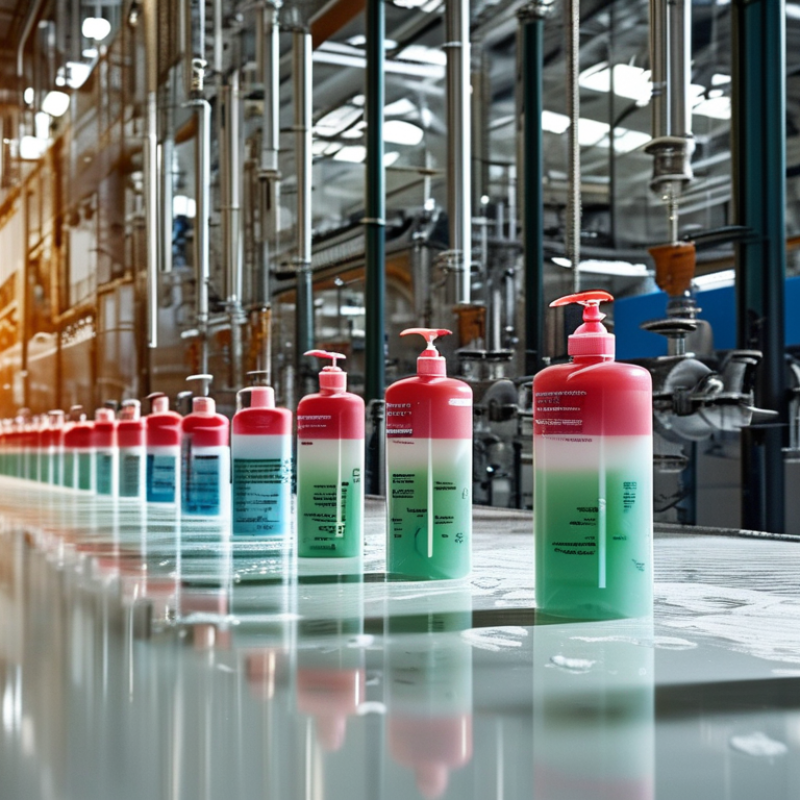
Nonionic surfactants have no permanent electrical charge. Their structure combines a water-loving head with an oil-loving tail. This balance helps them loosen grease, spread liquids, and stabilize mixtures. Common families include alcohol ethoxylates, glucosides, sorbitan esters, and amine oxides. They usually perform well in hard water and across broad pH conditions. That makes them practical for laundry liquids, dishwashing products, shampoos, creams, paints, textiles, and agricultural formulations.
Market evidence supports their broad industrial role. Grand View Research estimated the global surfactants market above USD 45 billion in 2023, with nonionic products forming a significant segment. A 2024 MarketsandMarkets assessment also forecast continued growth through 2029, driven by household cleaning, personal care, and industrial processing. These figures describe a complex market, not guaranteed supplier quality.
Buyers should examine active content, cloud point, hydrophilic-lipophilic balance, impurities, and batch consistency. Safety data and biodegradation results matter too. OECD testing guidance can help compare environmental behavior, although results depend on the exact molecule and test conditions. The label “biodegradable” is not enough. A small but important detail: foam does not always indicate better cleaning. Performance can change with temperature, water hardness, and dosage. The boundary is not always clean.

Evaluating global nonionic surfactant suppliers requires more than comparing quoted prices. Market definitions differ sharply. Grand View Research estimated the global surfactants market at about USD 47 billion in 2023, with nonionic products holding a significant share. Other reports give smaller figures because they exclude certain formulators and regional distributors. Treat the number carefully.
Request a complete technical package. It should include active content, cloud point, HLB value, viscosity, moisture, and batch-to-batch limits. Ask for recent certificates of analysis, not only standard specifications. A supplier handling temperature-sensitive ethoxylates should explain storage conditions, heating procedures, and transport controls. Small details matter.
Check manufacturing capacity through audit records, production-site information, and realistic lead times. The 2024 ICIS Chemicals Market Outlook highlights continued volatility in feedstocks, energy, and freight costs. Therefore, a low offer may not remain low. Examine price-adjustment formulas and minimum order quantities. Also review biodegradability data using recognized OECD methods, especially for detergents, coatings, and personal-care applications. Safety data must reflect the supplied grade and local requirements.
Use samples in your own formulation. Performance can shift with water hardness, temperature, salt, and mixing speed. I have seen “equivalent” grades behave differently at low temperatures. That is easy to overlook. Supplier responsiveness also deserves scoring: technical replies, complaint handling, documentation accuracy, and emergency stock plans. A polished website proves little. Measurable evidence does.
Anonymized global supplier screening matrix based on commonly disclosed procurement factors, including geographic coverage, product-family breadth, regulatory support, quality systems, sustainability options, and supply-chain capability.
| Rank | Supplier Profile | Primary Production Footprint | Core Nonionic Surfactant Families | Typical End-Use Coverage | International Supply Capability | Quality and Regulatory Documentation | Sustainability Indicators | Indicative Lead Time | Evaluation Score |
|---|---|---|---|---|---|---|---|---|---|
| 1 | Global Supplier Profile 01 | Western Europe and East Asia | Alcohol ethoxylates EO/PO copolymers Polysorbates | Home care, industrial cleaning, personal care, agriculture, and institutional cleaning | Bulk, IBC, drum, and flexitank shipment options; multi-region distribution | ISO 9001-based quality systems; SDS, TDS, COA, allergen and regulatory statements commonly available | Selected bio-based feedstocks; RSPO-related options may be available; environmental reporting capability | 2–6 weeks for standard grades; longer for customized products | 91/100 |
| 2 | Global Supplier Profile 02 | North America and Western Europe | Alcohol ethoxylates Sorbitan esters Polysorbates | Food processing, pharmaceuticals, personal care, detergents, and industrial formulations | Strong regional warehousing; ocean and road transport; established export documentation | Batch traceability, COA, SDS, TDS, GMP-related documentation for selected grades | Low-residue manufacturing programs; renewable-carbon and concentrated-formulation options | 3–7 weeks for standard grades | 89/100 |
| 3 | Global Supplier Profile 03 | East Asia and Southeast Asia | Fatty alcohol ethoxylates Alkyl polyglucosides EO/PO copolymers | Detergents, coatings, textile processing, agrochemicals, and oilfield chemicals | Competitive containerized export supply; regional agents and distributors in major markets | ISO 9001 commonly available; SDS, TDS, COA, REACH and regional compliance support varies by grade | Plant-derived alkyl polyglucoside options; concentrated and readily biodegradable grades | 4–8 weeks, depending on port availability and order size | 87/100 |
| 4 | Global Supplier Profile 04 | East Asia and North America | Nonionic emulsifiers Polysorbates Sorbitan derivatives | Food ingredients, pharmaceuticals, cosmetics, nutraceuticals, and specialty chemicals | Temperature-controlled and regulated-product logistics available for selected applications | Food-grade or pharmaceutical-grade documentation for applicable products; lot traceability and COA | Renewable feedstock options; energy and water management information may be disclosed by facility | 4–8 weeks for regulated grades | 85/100 |
| 5 | Global Supplier Profile 05 | Western Europe and the Middle East | Alcohol ethoxylates Fatty amine ethoxylates Specialty nonionics | Industrial cleaning, construction chemicals, metalworking, textiles, and process industries | Regional bulk terminals and distributor network; reliable road, rail, and sea transport | ISO 9001 and ISO 14001 commonly referenced; regulatory dossiers and technical support available | Process optimization, lower-water formulations, and selected biodegradable product lines | 3–6 weeks for regularly stocked products | 83/100 |
| 6 | Global Supplier Profile 06 | South Asia and Southeast Asia | Alcohol ethoxylates Alkyl polyglucosides Ethoxylated esters | Home care, personal care, agriculture, textiles, and institutional cleaning | Export-oriented production; container shipments and distributor support in Asia, Africa, and the Middle East | SDS, TDS, COA, product specifications, and selected regional registration support | Plant-based raw materials and readily biodegradable options available in selected product families | 5–9 weeks, with variability during peak shipping periods | 81/100 |
| 7 | Global Supplier Profile 07 | North America and Latin America | Alcohol ethoxylates EO/PO copolymers Sorbitan esters | Oilfield services, mining, agrochemicals, coatings, pulp and paper, and industrial cleaning | Regional inventory programs; bulk tankers, IBCs, drums, and contract manufacturing support | ISO 9001-based quality management; technical data, COA, SDS, and application testing support | Lower-VOC formulations and concentrated products; sustainability data varies by production site | 3–8 weeks depending on product grade and destination | 79/100 |
| 8 | Global Supplier Profile 08 | Central Europe and East Asia | Alkyl polyglucosides Fatty alcohol ethoxylates Specialty emulsifiers | Eco-cleaning, personal care, coatings, adhesives, agriculture, and institutional hygiene | Cross-border distribution in Europe and Asia; standard export packaging and technical service | ISO 9001; product-specific biodegradability, regulatory, vegan, or natural-origin documentation may be available | High share of renewable-carbon products; concentrated and readily biodegradable formulations | 4–9 weeks for specialty grades | 77/100 |
| 9 | Global Supplier Profile 09 | East Asia and the Middle East | Alcohol ethoxylates Nonionic emulsifiers Agricultural adjuvants | Detergents, agriculture, textiles, lubricants, paints, and industrial applications | Large-volume export capability; competitive bulk shipping and regional distributor coverage | COA, SDS, TDS, lot traceability, and selected regulatory declarations; verify market-specific compliance | Energy-efficiency initiatives and bio-based alternatives may be offered for selected grades | 5–10 weeks depending on production scheduling | 75/100 |
| 10 | Global Supplier Profile 10 | South Asia, Southeast Asia, and Africa | Alcohol ethoxylates Sorbitan derivatives Alkyl polyglucosides | Household cleaning, personal care, textiles, agriculture, water treatment, and general industry | Primarily containerized exports; growing distributor networks and regional stockholding | Standard SDS, TDS, COA, and product specification packages; audit depth should be verified before qualification | Renewable feedstock and biodegradable products available in selected ranges; site-level data recommended | 6–12 weeks for international orders | 72/100 |
A reliable Top 10 Nonionic Surfactant Suppliers Worldwide list should measure more than production volume. Strong suppliers usually offer alcohol ethoxylates, alkyl polyglucosides, sorbitan esters, and EO/PO copolymers. Their technical teams should explain HLB values, cloud points, viscosity, and active content clearly. Consistent batches matter when a detergent, coating, or agricultural formulation must perform the same way every time. Regional warehouses also reduce delays and storage pressure.
A practical ranking should examine quality systems, application support, documentation, and supply resilience. Buyers should request certificates of analysis, safety data sheets, sample batches, and traceability records. A supplier with lower pricing may create higher costs through unstable foam, separation, or difficult processing. However, no ranking is permanent. Capacity changes, raw material costs shift, and delivery performance can vary by region. That is an uncomfortable point, but it deserves attention.
Tips: Compare at least three samples under identical conditions. Record temperature, mixing speed, dosage, and storage time. Test hard water and low-temperature behavior when relevant. Ask whether technical support is available in your market. Avoid choosing from a website alone. A short pilot trial often reveals more than a polished sales presentation. Always confirm current specifications before signing a supply agreement.
A practical Top 10 list of nonionic surfactant suppliers should compare technical depth, not only sales volume. Leading producers typically offer fatty alcohol ethoxylates, alkyl polyglucosides, sorbitan esters, amine oxides, and EO/PO copolymers. These materials support detergents, personal care, agrochemical formulations, paints, textiles, food processing, and industrial cleaning. Product selection depends on HLB value, cloud point, foam profile, biodegradability, and performance in hard water.
European suppliers often show strength in low-carbon chemistry, specialty grades, and strict documentation. North American producers commonly provide broad industrial portfolios, dependable logistics, and formulation support. East Asian suppliers are competitive in scale, flexible production, and export availability. Indian manufacturers are increasingly visible in custom synthesis and regional distribution, while Gulf-based producers benefit from feedstock access and growing chemical infrastructure. These regional advantages can change quickly.
A reliable review should examine ten supplier groups across these strengths. Ask for current specifications, batch consistency data, safety documents, and sample testing before approval. A strong supplier can explain viscosity changes, residual alcohol, cloud-point variation, and storage behavior without vague claims. Small details matter.
Rankings remain imperfect. Public data may favor large exporters and overlook specialized producers. Some suppliers also list similar grades under different descriptions, making direct comparison difficult. Procurement teams should test each material in the final formula, especially for low-temperature storage, sensitive skin products, or concentrated cleaners. Availability may matter as much as chemistry.
How to Choose the Right Nonionic Surfactant Supplier
Choosing among the top 10 nonionic surfactant suppliers worldwide requires more than comparing prices. Start with the formulation’s actual needs. Check HLB range, cloud point, active content, viscosity, and compatibility with oils, polymers, or salts. A supplier should provide a clear technical data sheet and a recent certificate of analysis for every batch.
Ask how quality is controlled at the production site. Reliable suppliers explain raw material testing, batch traceability, storage conditions, and complaint handling. Request samples from different production lots, not just one carefully selected bottle. Test them under real conditions, including heat, mixing time, water hardness, and extended storage. Small differences can affect foam, emulsion stability, and final appearance.
Documentation matters.
Confirm regulatory support for your destination markets, including ingredient identification, safety data, labeling, and transport requirements. A capable technical team should answer specific questions without hiding behind generic sales language. During supplier evaluations, I have found polished websites less useful than prompt laboratory feedback and consistent sample results. Still, even strong suppliers can miss a detail. Recheck specifications before signing a long-term agreement. Review lead times, minimum order quantities, packaging, price-adjustment terms, and backup production capacity. A low quotation may become expensive when one delayed shipment stops a filling line.